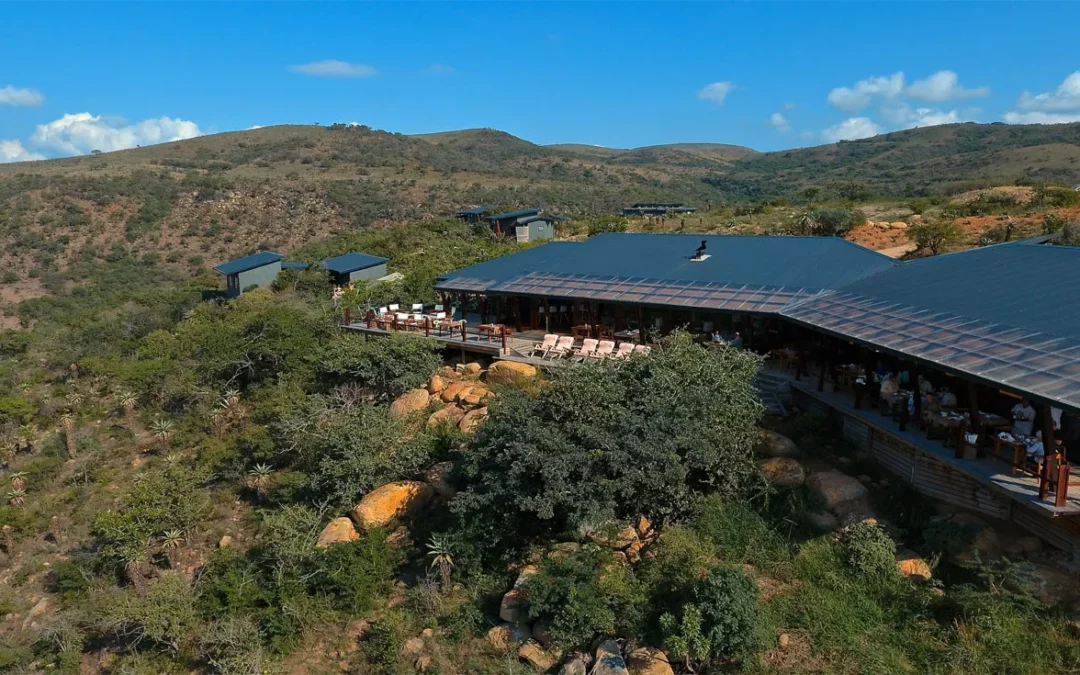
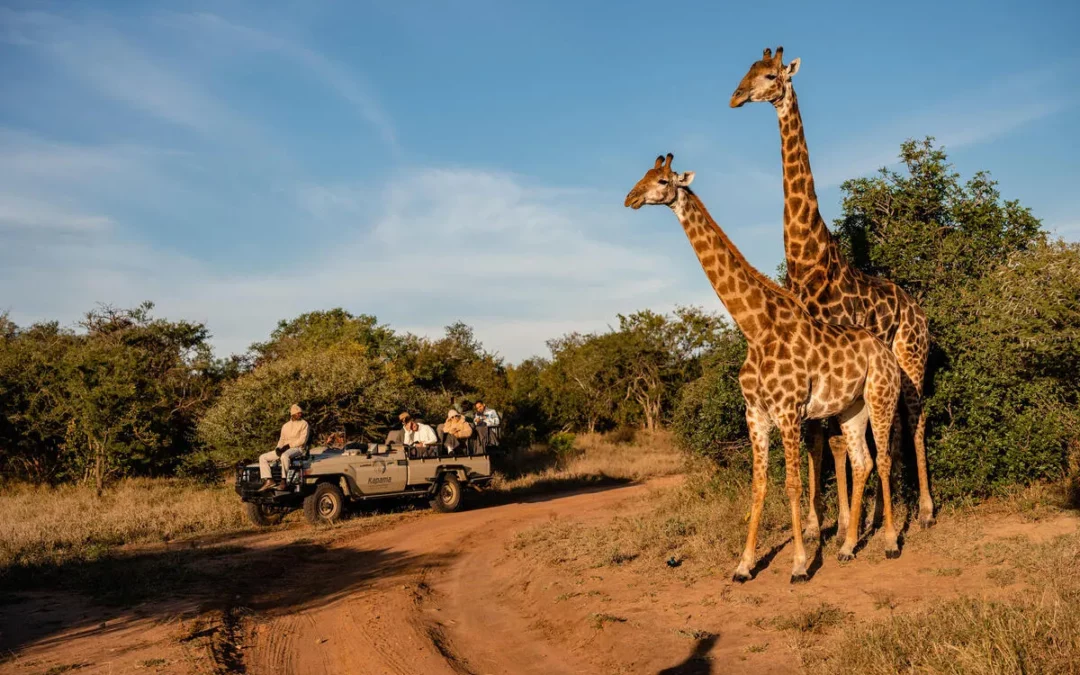
Kruger National Park is one of Africa’s greatest wildlife destinations — a nearly 2-million-hectare wilderness in South Africa’s Limpopo and Mpumalanga provinces, home to 147 mammal species, the Big Five, and more than 500 bird species. Founded in 1898 as the Sabie Game Reserve and proclaimed as Kruger National Park in 1926, it remains the benchmark against which every other African safari is measured. Whether you’re planning your first safari or your fifth, this complete 2026 visitor guide covers everything you need to know — from the best time to visit and which gates to enter through, to where to stay and what to expect from the wildlife.
Key Takeaways
- Kruger covers 19,485 km² — roughly the size of Wales — making it one of Africa’s largest game reserves.
- The park supports 147 mammal species, 507 bird species, and 114 reptile species — more large mammal species than any comparable African reserve.
- The Big Five are all present: elephant, lion, leopard, rhino, and buffalo. Lion and elephant are particularly prolific.
- Kruger has nine main entry gates across Limpopo and Mpumalanga; Paul Kruger Gate is the most visited and central.
- The dry season (May–September) offers the best game viewing as vegetation thins and animals concentrate around water.
- Private reserves bordering Kruger — including Sabi Sands and Timbavati — share unfenced boundaries with the park, offering luxury lodge alternatives with off-road access and walking safaris.
What Is Kruger National Park and Why Does It Matter?
Kruger National Park is South Africa’s flagship conservation area and the anchor of the Great Limpopo Transfrontier Park — a cross-border peace park shared between South Africa, Mozambique (Limpopo National Park), and Zimbabwe (Gonarezhou National Park). Together, this transfrontier area spans roughly 35,000 km², creating one of the world’s largest protected wilderness corridors. Within Kruger itself, SANParks (South African National Parks) manages the ecosystem with a focus on biodiversity, anti-poaching, and sustainable tourism.
The park was established in 1898 by Paul Kruger, then President of the South African Republic (Transvaal), initially as the Sabie Game Reserve to protect dwindling game populations. It was formally proclaimed as Kruger National Park in 1926 under the National Parks Act. Nearly a century of conservation has produced one of Africa’s most diverse and densely populated wildlife ecosystems.
When Is the Best Time to Visit Kruger National Park?
The dry winter months from May to September are widely regarded as the best time to visit Kruger for game viewing. During this period, vegetation thins dramatically, temperatures are comfortable (15–28°C), and animals congregate around permanent water sources, making sightings far more predictable. Malaria risk is also at its lowest during the dry season.
Here’s a month-by-month breakdown to help you plan:
| Month | Season | Highlights | Drawbacks |
|---|---|---|---|
| May–June | Early dry | Excellent game viewing; cool mornings; low crowds | Cooler nights (can drop to 7°C) |
| July–August | Peak dry | Best concentration of animals at waterholes; peak predator sightings | Busiest period; book accommodation well ahead |
| September | Late dry | Hot but exceptional game viewing; vegetation at its lowest | Very hot (35°C+); some areas can feel crowded |
| October–November | Green season starts | Birthing season — newborn impala, wildebeest calves; good birding | Afternoon thunderstorms; vegetation starts returning |
| December–February | Green season | Lush landscapes; resident and migratory birds at peak; good predator activity around birthing herds | Thick vegetation reduces sightings; higher malaria risk; wet and hot |
| March–April | Late green | Still lush; some good predator activity; fewer visitors | Can be very hot; flood risk in some areas |
For first-time visitors, July and August represent the sweet spot: peak game viewing, predictable sightings, and comfortable daytime temperatures — though accommodation should be booked three to six months in advance during these months.
What Wildlife Can You See in Kruger National Park?
Kruger is home to more species of large mammals than any other African game reserve. The Big Five — elephant, lion, leopard, rhino (both white and black), and buffalo — are all resident and regularly sighted. Elephant and buffalo populations are particularly large, with an estimated 17,000+ elephants and 37,000+ buffalo in the park.
Beyond the Big Five, Kruger offers exceptional sightings of:
- Wild dogs (African painted wolves) — Kruger hosts one of South Africa’s largest wild dog populations; sightings are special but unpredictable
- Cheetah — most common in the open grasslands of the central and southern regions
- Hippo and Nile crocodile — abundant along the Sabie, Luvuvhu, and Letaba rivers
- Giraffe, zebra, wildebeest, kudu, impala, and waterbuck — present in very large numbers throughout the park
- Hyena (spotted) — common; often seen at kills alongside lions
- Sable and roan antelope — rarer; found in the far north near Pafuri
Birdwatchers will find Kruger extraordinary: 507 bird species have been recorded, including the six endemic “Kruger specials” — the lappet-faced vulture, Pel’s fishing owl (near Pafuri), the saddle-billed stork, the southern ground hornbill, the martial eagle, and the kori bustard.
Which Part of Kruger Should You Visit?
Kruger divides naturally into three regions — south, central, and north — each offering a different experience. Most first-time visitors head to the south, which offers the highest density of game and the most accessible camps.
Southern Kruger
The southern section (between the Crocodile River and the Sabie River) is the most visited, most developed, and most wildlife-dense part of the park. The Sabie River is Kruger’s most productive game-viewing corridor — its permanent water draws lions, leopards, elephants, hippos, and crocodiles year-round. Skukuza, the park’s main camp and administrative hub, is located here. The southern region is also closest to Johannesburg (approximately 5–6 hours’ drive via the N4).
Central Kruger
The central section — between the Sabie and Olifants rivers — is characterised by mopane woodland and the sweeping Olifants River, which attracts large elephant herds. Satara Camp is centrally located and surrounded by open grasslands that are exceptional for lion and cheetah sightings. The Lebombo Loop near Satara offers some of the park’s finest self-drive game viewing.
Northern Kruger
The far north, accessed via the Pafuri Gate, is Kruger’s most remote and least-visited region. The Luvuvhu River near Pafuri is one of the park’s great secrets — a dense riverine forest that harbours Pel’s fishing owl, rarer antelope, and extraordinary birding. The north also has the highest concentration of baobab trees and a distinct feel from the busier south. If you’re looking for genuine solitude and an off-the-beaten-track safari, northern Kruger delivers.
What Are the Main Gates and How Do You Get to Kruger?
Kruger has nine main entry gates, each serving different parts of the park and different access routes. Here are the most frequently used:
| Gate | Region | Best For | Nearest Town |
|---|---|---|---|
| Paul Kruger Gate | South | Access to Skukuza; most central | Hazyview (~40 km) |
| Numbi Gate | South | Access to Pretoriuskop camp | Hazyview (~45 km) |
| Malelane Gate | Far south | Shortest drive from Johannesburg | Malelane (~3 km) |
| Crocodile Bridge Gate | Far south | Excellent rhino & lion country | Komatipoort (~12 km) |
| Orpen Gate | Central | Wild dog sightings; access to Satara | Klaserie / Hoedspruit |
| Phalaborwa Gate | North-central | Elephant herds; Olifants Camp | Phalaborwa (adjacent) |
| Pafuri Gate | Far north | Remote wilderness; birding; baobabs | Pontdrif (Zimbabwe border) |
By air: The nearest commercial airport is Kruger Mpumalanga International Airport (KMIA) near Nelspruit (Mbombela), approximately 1 hour from the Paul Kruger Gate. Johannesburg’s OR Tambo International Airport is approximately 5–6 hours by road. Eastgate Airport at Hoedspruit serves the central gates. Several private lodges in the adjacent private reserves have their own airstrips for charter flights.
Where to Stay in Kruger National Park
SANParks operates a wide range of accommodation within the park, from large rest camps with full facilities to remote bushveld camps that offer a more authentic, secluded experience. Accommodation must be booked in advance — popular camps and chalets at Satara, Skukuza, and Lower Sabie can book out more than a year ahead for peak-season dates.
Main Rest Camps
- Skukuza — Kruger’s largest camp; full facilities including a restaurant, shop, petrol station, and museum. Excellent game viewing along the Sabie River.
- Satara — Central Kruger’s hub; surrounded by grassland famous for lion sightings. Considered by many as the park’s best big-cat camp.
- Lower Sabie — Small, south-eastern camp on the banks of the Sabie River; consistently rated among the park’s best for wildlife density.
- Letaba — Mid-north camp on the Letaba River; excellent elephant herds; quieter than the south.
- Olifants — Perched on a cliff overlooking the Olifants River valley — arguably the most spectacular camp setting in the park.
- Berg-en-Dal — Far south; good white rhino and black rhino sightings; fenced and family-friendly.
Bushveld Camps (Private & Remote)
For a more exclusive experience within the park, SANParks’ bushveld camps — including Bateleur, Shimuwini, Sirheni, and Talamati — are smaller, electricity-free or semi-private retreats that accommodate between 10 and 34 people. They are self-catering and cannot be accessed unless you have a reservation there.
Private Concessions Inside Kruger
A number of private concession lodges operate inside Kruger’s borders, offering guided game drives, walking safaris, and night drives that are unavailable to self-drive visitors. Notable properties include Singita Lebombo and Singita Sweni (on the Lebombo concession near Satara), Hamiltons Tented Camp, and Jock Safari Lodge. These represent the highest-end accommodation option within the park itself.
Kruger vs Private Game Reserves: What’s the Difference?
One of the most common questions visitors ask is whether to stay inside Kruger or in one of the adjacent private game reserves — most notably Sabi Sands Game Reserve or Timbavati Private Nature Reserve. Both options have compelling advantages, and many travellers combine them in one itinerary.
| Factor | Kruger National Park (self-drive) | Private Reserve (e.g. Sabi Sands / Timbavati) |
|---|---|---|
| Cost | Budget-friendly (R232 conservation fee/day + accommodation) | Premium — typically R5,000–R30,000+ per person per night |
| Off-road driving | ❌ Stay on designated roads only | ✅ Off-road driving to track individual animals |
| Night drives | Limited — guided only at main camps | ✅ Included in most lodge packages |
| Walking safaris | Guided trails available (wilderness trails, morning walks) | ✅ Available at most lodges |
| Wildlife access | Very good; road-based | Exceptional; vehicles approach animals closely |
| Crowds | Can be busy at peak gates and popular sighting spots | Exclusive — concession access limited to lodge guests |
| All-inclusive | ❌ Self-catering / restaurant at own cost | ✅ Meals, drinks, game drives included |
| Wildlife movement | Unfenced with Sabi Sands and Timbavati | Unfenced with Kruger — same wildlife corridor |
Sabi Sands shares an unfenced, 65,000-hectare boundary with Kruger, meaning the same lion prides, leopard territories, and elephant herds move freely between the two. Timbavati is similarly unfenced, part of the broader Greater Kruger ecosystem of more than 400,000 hectares. A classic combination itinerary pairs 2–3 nights self-driving in Kruger with 3–4 nights at a Sabi Sands or Timbavati lodge — offering both the breadth of a national park and the depth of a private safari.
What Does a Kruger Safari Cost in 2026?
Kruger is one of Africa’s most accessible safari destinations in terms of cost. Here’s a realistic breakdown for 2026:
- SANParks conservation fee: R232 per adult per day (South African citizens pay less; Wild Card holders enter free)
- Accommodation (self-catering chalet, 2 people): R1,000–R2,500 per night depending on camp and season
- Guided sunrise/sunset drives: R320–R650 per person from most main camps
- Guided wilderness trails: From approximately R3,500 per person for a 2-night/3-day trail (fully inclusive)
- Private concession lodges inside Kruger: From approximately R8,000 to R35,000+ per person per night (fully inclusive)
A budget self-drive safari for two people spending 4 nights in Kruger can be achieved for approximately R10,000–R18,000 all-in (excluding flights), making it one of Africa’s most financially accessible Big Five experiences.
Is Kruger Malaria-Free?
No — Kruger National Park is a malaria-risk area, and prophylaxis is recommended for all visitors, especially during the wet season (November–April). The risk drops significantly during the dry winter months (May–September) but is never zero. Visitors should consult a travel medicine doctor at least 4–6 weeks before departure to discuss the most appropriate prophylaxis.
Families with young children or travellers for whom malaria medication is contraindicated should consider malaria-free Big Five alternatives such as Madikwe Game Reserve (North West Province), Pilanesberg National Park, or the Eastern Cape private reserves — all of which offer the full Big Five experience without the malaria risk.
Frequently Asked Questions About Kruger National Park
How many days do you need to see Kruger properly?
A minimum of 3 nights (4 days) is recommended to get a genuine sense of Kruger’s scale and wildlife. Five to seven nights allows you to explore multiple regions — south, central, and north — and significantly increases your chances of seeing rare species like wild dog, black rhino, and cheetah. Many experienced safari-goers return for 10-day or two-week road trips through the full length of the park.
What is the best camp in Kruger National Park?
Lower Sabie is consistently rated by wildlife enthusiasts as the park’s best main camp, combining an outstanding position on the Sabie River with very high concentrations of predators and game. Satara is the best option for lion viewing, while Olifants offers the most dramatic landscape. For remoteness and birding, Shingwedzi in the north is a favourite among experienced Kruger visitors.
Can you self-drive in Kruger National Park?
Yes — self-drive safaris are the most common way to visit Kruger and one of its greatest appeals. The park has a well-maintained network of tarred and gravel roads, with strict speed limits (50 km/h on tarred roads, 40 km/h on dirt) and rules requiring all visitors to stay on designated roads and remain in their vehicles outside of designated walk areas. A standard sedan or SUV is adequate for most routes; a 4×4 is only necessary for specific dirt tracks in the far north.
What time do Kruger National Park gates open and close?
Gate times vary by month and follow sunrise and sunset times to prevent driving in the dark (which is not permitted on public roads). As a general guide: gates open between 05:30 and 06:00 and close between 17:30 and 18:30 depending on the season. It’s critical to be back at your camp before the camp’s gate closing time — late arrivals incur fines. Always check the current gate times on the SANParks website before your visit.
Are there walking safaris in Kruger National Park?
Yes — Kruger offers some of Africa’s finest guided wilderness trails. The seven wilderness trails (including the Wolhuter, Bushman, Olifants, and Nyalaland trails) are multi-day, fully guided walking experiences limited to groups of eight people maximum. There are also shorter morning game walks available from most camps, led by SANParks field guides. Walking safaris provide a fundamentally different — and often more emotionally intense — experience than vehicle-based game drives.
What is the difference between Kruger and the Sabi Sands?
Kruger is a public national park where all visitors drive on designated roads and the experience is self-directed. Sabi Sands Game Reserve is a private reserve directly adjacent to Kruger, with an unfenced boundary — meaning the same wildlife moves between both. In Sabi Sands, each guest is assigned a professional guide and tracker, and vehicles are permitted to drive off-road and follow animals through the bush. This produces far closer, longer, and more documented wildlife encounters. Sabi Sands is significantly more expensive than Kruger’s public camps but offers a depth of wildlife experience that is difficult to replicate in a national park setting.
What is the Greater Kruger ecosystem?
The Greater Kruger ecosystem refers to the combined unfenced wilderness area comprising Kruger National Park and the private nature reserves bordering it — including Sabi Sands, Timbavati, Manyeleti, Klaserie, Balule, and Umbabat. Together these areas form a protected wildlife corridor of more than 400,000 hectares. Because there are no fences between the private reserves and Kruger, wildlife — including lion prides, leopard territories, elephant herds, and wild dog packs — roams freely across the entire system. This makes the Greater Kruger one of the most significant wildlife conservation areas in the world.
Is it safe to visit Kruger National Park?
Kruger is generally safe when visitors follow the park’s rules. The key safety guidelines are: never leave your vehicle except at designated picnic sites and rest camps; always be back at camp before gate-closing time; secure food inside vehicles or rooms to avoid attracting wildlife into camps; and take malaria prophylaxis as advised by your doctor. Violent crime against tourists is extremely rare inside the park. The primary risks are wildlife-related, and those risks are effectively managed by adhering to park rules.
Planning Your Kruger Safari in 2026
Whether you’re planning a budget self-drive adventure through Kruger’s iconic game roads, a combination trip blending public camp nights with a few nights at a luxury private reserve, or a fully guided, all-inclusive safari on a Sabi Sands or Timbavati concession — Kruger and the Greater Kruger ecosystem offers a safari experience for every style and budget. The African Safari Group has been connecting travellers with the best-matched lodges, itineraries, and guides across the Greater Kruger ecosystem for many years, drawing on deep specialist knowledge of the reserve system to match each guest with the right experience at the right time. To start planning, enquire now at krugernationalpark.org.za/enquire-now and a safari specialist will be in touch within one business day.